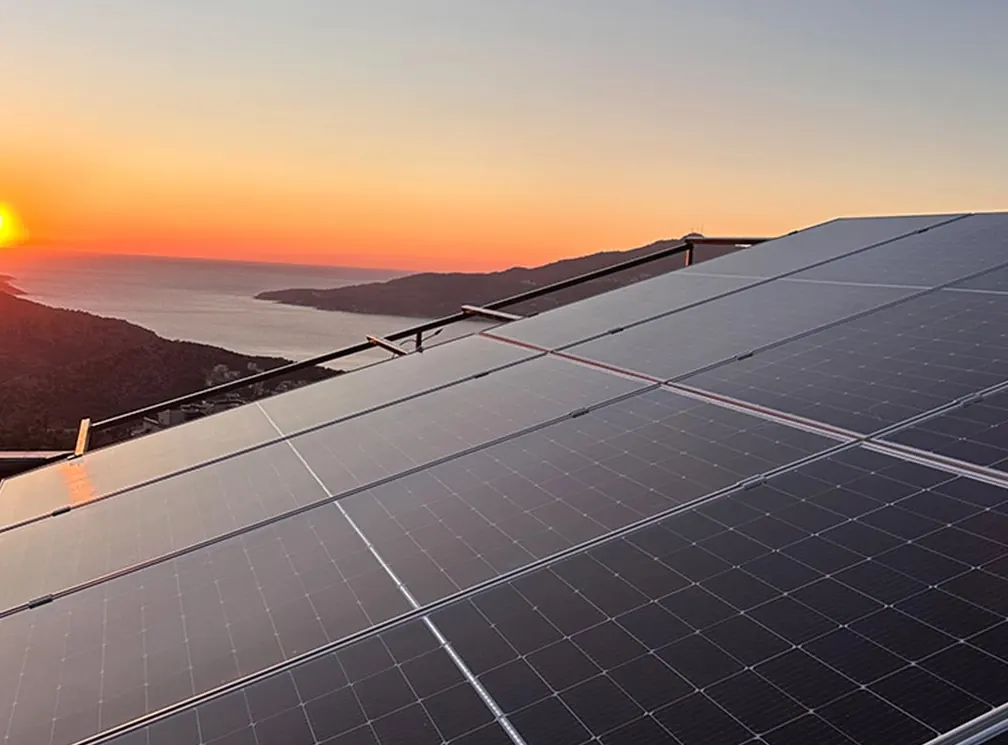
Antalya solar energy: why the commercial business case is strong
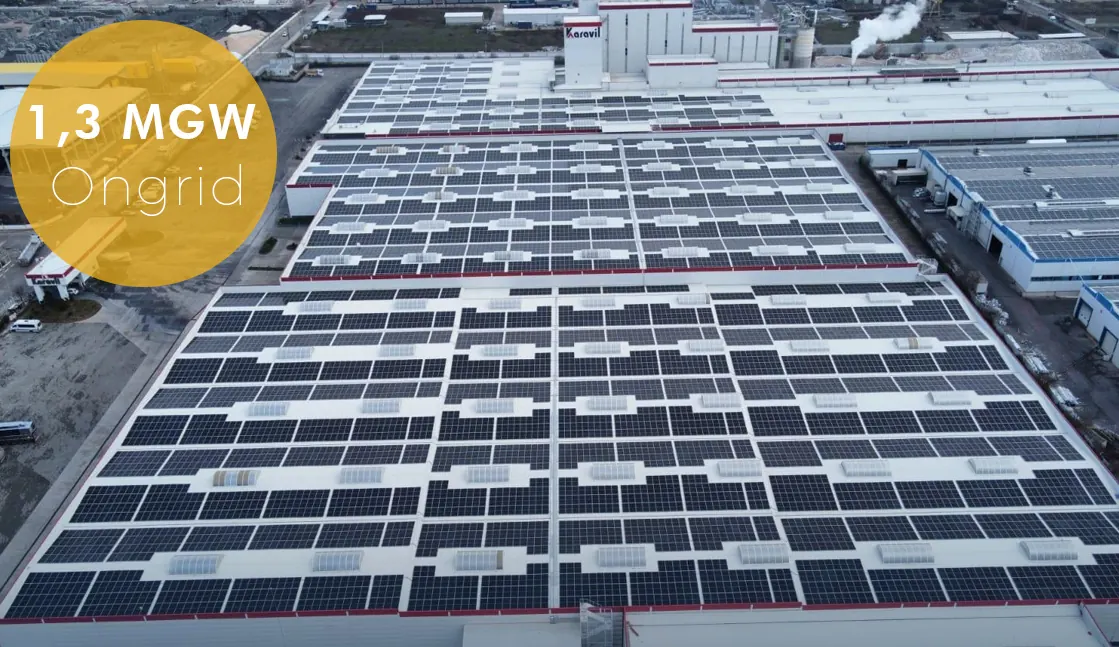
Antalya is one of Turkey's best-irradiated provinces, and its commercial load profile suits solar unusually well. Hotels, cold stores and factories run their heaviest cooling and process loads between late morning and late afternoon, exactly when a south-facing or east-west array is producing most. That overlap is what turns generated kilowatt-hours into displaced grid purchases. For commercial solar energy in Antalya, the decisive question is therefore less about sunshine and more about how closely the plant is sized to the site's real hourly demand.
Our feasibility work starts with that match. We build an hourly consumption profile from metering data and invoices, simulate generation for the specific roof or parcel, and calculate the share of output the facility can use directly. The result is a capacity recommendation, an expected specific yield, a performance ratio target and a payback range that a finance team can test. Exact pricing follows the free site survey, because structural condition, cable routes and grid connection costs vary from one site to the next.
Industrial solar in Turkey: regulation, grid connection and sizing
Industrial solar in Turkey operates mainly under the Unlicensed Electricity Generation Regulation (Lisanssız Elektrik Üretim Yönetmeliği). Projects need a connection opinion and agreement from the regional distribution company (EDAŞ), an approved electrical design and a TEDAŞ acceptance before energisation. The rules on capacity limits, consumption-linked sizing and how surplus energy is netted or purchased have been revised several times, so any plan should be checked against the current EPDK framework at the time of application rather than on assumptions from earlier years.
As a solar EPC contractor in Antalya, we run that process for clients from start to finish: preparing the application file, tracking the connection opinion, adapting the design to any grid conditions imposed and coordinating acceptance testing. For larger self-consumption sites and ground-mounted plants, we also review transformer capacity, protection settings and medium-voltage connection options early, because grid constraints are often the factor that sets the realistic plant size long before roof area or budget does.
Ground-mount solar in Antalya and long-term O&M
Where roof space runs out, ground-mount plants take Antalya solar energy to multi-megawatt capacity. A successful field plant depends on parcel zoning, slope and orientation, distance to a suitable connection point, geotechnical conditions for piling, and year-round access for construction and maintenance vehicles. Our 680 kW and 2.4 MW ground plants were delivered against exactly that checklist, from early land screening through mounting structure design, inverter stations and medium-voltage works to final commissioning.
Building the plant is only half of the investment story. Dust, pollen, coastal humidity and summer heat all erode output when a plant is left unattended. Our O&M contracts combine remote monitoring with scheduled inspections, thermographic checks, module cleaning plans and inverter servicing, and they report performance ratio against the design model. That transparency lets asset owners spot underperformance early and keep warranty conditions intact for the full operating life of the plant.