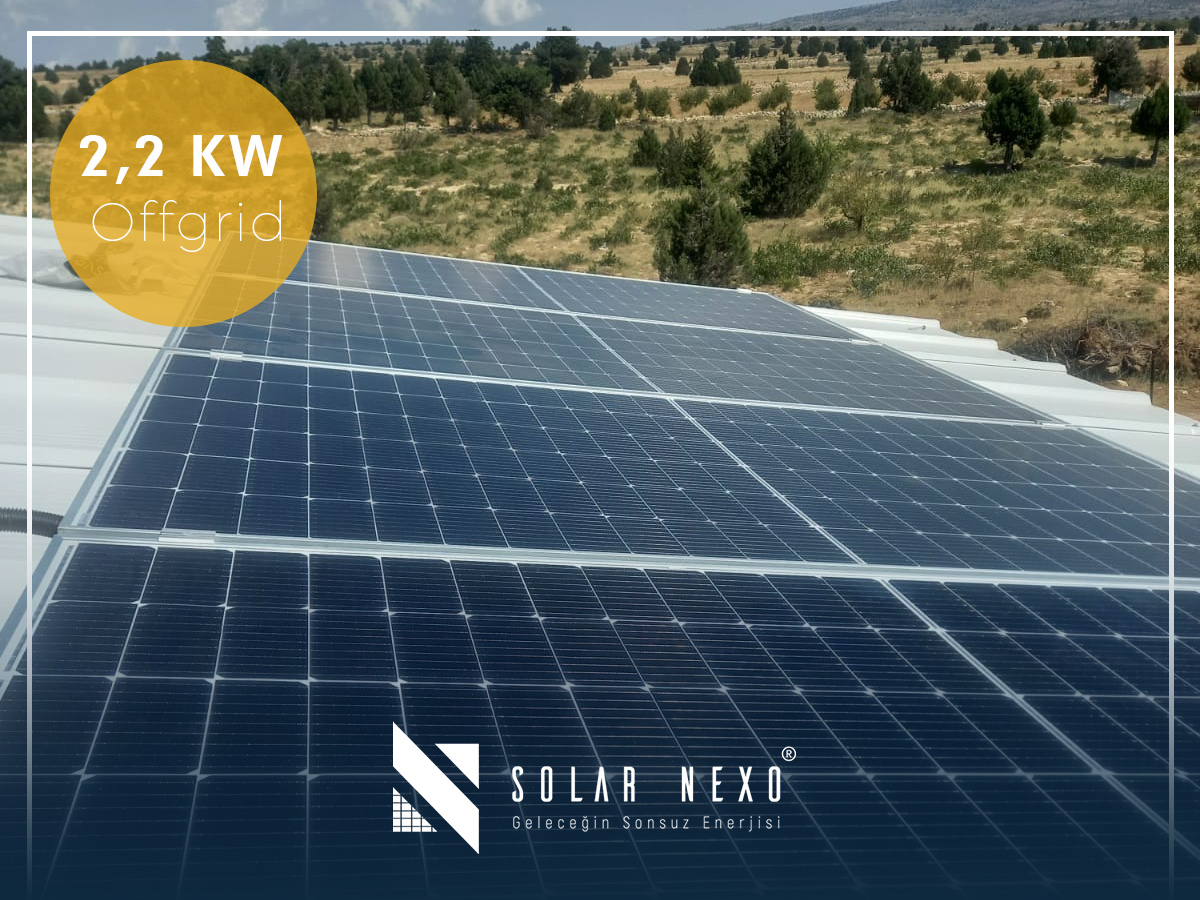
Commercial and industrial (C&I) solar represents the fastest-growing segment of Turkey's solar market. With electricity prices for industrial tariffs exceeding ₺3.80/kWh and rising, a properly designed solar system delivers IRRs of 30–45% — outperforming most capital expenditure alternatives available to Turkish businesses today.
Antalya Solar Energy Co. specialises in large-scale C&I projects for manufacturers, hotels, logistics operators, and retail chains. Our approach combines rigorous engineering, bankable documentation, and transparent financial modelling to help clients make informed investment decisions.
Who We Serve
- Manufacturing Facilities: Textiles, food processing, automotive suppliers, packaging — high daytime load perfectly matched to solar generation profile.
- Hotels & Resorts: Antalya's hospitality sector has 300+ sunshine days coinciding with peak occupancy — solar dramatically reduces utility costs during high season.
- Logistics & Cold Chain: Large flat roof areas, constant refrigeration load, and 24/7 operations make logistics centres ideal solar candidates.
- Shopping Centres & Retail: High AC loads perfectly timed with peak solar hours. Carport solar for car parks adds additional capacity.
- Data Centres & Telecom: Critical infrastructure with high constant load; battery storage integration provides backup capability.
- Healthcare: Hospitals and clinics benefit from reduced operating costs and backup resilience via hybrid systems.
Financing Structures
- CAPEX Purchase: Client owns the system outright. Best ROI (2–4 yr payback). Eligible for depreciation and green energy tax incentives.
- Green Loan: Bank-financed EPC with monthly loan repayments lower than monthly electricity savings — cash-flow positive from day one.
- PPA (Power Purchase Agreement): Third-party investor builds and owns the system on your roof. You buy electricity at a fixed price (30–40% below grid tariff) for 10–15 years. Zero CapEx required.
- Leasing/ESCO: Operational expenditure model — monthly fee covers system lease and maintenance. Off-balance-sheet treatment for IFRS reporting.
Self-Consumption Optimisation
Maximum financial benefit comes from maximising the percentage of solar generation consumed on-site (displacing expensive retail electricity) versus exported to the grid at lower tariff rates. We use load profile analysis and dynamic simulation to optimise system sizing and, where beneficial, integrate battery storage for shifting excess midday solar production to early morning/evening peaks.
Net Metering & Grid Export
Turkey's Renewable Energy Law (6446) and Electricity Market Licence Regulation allow systems up to 1 MW to export surplus electricity to the grid. The excess is credited at the retail tariff rate (currently ₺3.5/kWh) for a 10-year period from commissioning. For systems above 1 MW, generation licence and bilateral wholesale market participation is required.
Technical Approach
| Parameter | Our Standard |
|---|---|
| Yield Simulation | PVsyst 7.x with site-calibrated Meteonorm data |
| Shadow Analysis | 3D site model, horizon profile measurement |
| Financial Model | 25-yr DCF, NPV, IRR, LCOE, scenario analysis |
| Structural Assessment | Roof load calculation per Eurocode, independent certification if required |
| Inverter Architecture | String (MLPE) or central — specified per project size and shading profile |
| Monitoring | String-level monitoring, revenue metering, smart export limiting |
| PR Contractual Guarantee | ≥78% annual (financial clawback if underperformed) |
Case Study — Textile Factory, Antalya OSB
- Monthly electricity bill before solar: ₺380,000
- System installed: 1.8 MWp rooftop (6,200 m² roof)
- Annual generation: 2,790 MWh
- Self-consumption ratio: 94%
- Annual saving: ₺1.33M
- Investment: ₺21.6M
- Simple payback: 16 months
- IRR over 25 years: 44%
Why Antalya Solar Energy Co.
- Dedicated C&I engineering team with 12+ years industrial EPC experience
- Bankable PVsyst reports and independent engineer (IE) support for project finance
- Strong local relationships with TEDAŞ Antalya for fast grid connection
- Proven O&M track record — 99.6% average uptime across managed fleet
- Transparent, fixed-price EPC contracts with no hidden costs
FAQs for Commercial Clients
System size depends on your electricity consumption profile, available roof/land area, grid connection capacity, and financial goals. As a rule of thumb: 1 MWh/month consumption ≈ 24 kWp system in Antalya. Our engineers size the system using 12 months of actual smart meter data for maximum accuracy.
No. Installation is done on the roof or land area without interrupting production. The final grid switchover (typically 2–4 hours) is scheduled outside production hours — evenings or weekends.
Under a Power Purchase Agreement, we (or a financial partner) invest in and own the solar system installed on your facility. You sign a 10–15 year electricity purchase contract at a fixed tariff (typically 30–40% below your current grid tariff). You benefit from day-one savings with zero capital outlay.
Yes. Solar systems qualify for accelerated depreciation (1-year write-off possible in some cases), VAT exemption on solar equipment, and reduced corporate tax rate under Investment Incentive Certificate (Yatırım Teşvik Belgesi) schemes. We recommend consulting your tax advisor; we provide all required documentation.