Antalya Solar Energy Co. exists for one purpose: to turn the Mediterranean sun into reliable, bankable electricity for businesses. Our clients are manufacturers in organised industrial zones, hotel groups along the coast, cold-chain and logistics operators, agricultural producers and investors developing ground-mounted plants. What they share is a need for a contractor who understands that a solar plant is an energy asset with a twenty-five-year life, not a one-off equipment sale.
With 42 MWp of installed capacity and more than 85 completed projects across the region, we have learned that the quality of a solar investment is decided long before the first module is lifted onto a roof. It is decided in the feasibility study, in the structural assessment, in the grid application and in the way the plant will be operated once the construction crew has left.
How we approach an Antalya solar energy investment
Every engagement starts with data. We analyse at least twelve months of electricity invoices, build an hourly load profile where metering allows, and simulate generation for the exact roof or parcel using local irradiance data. From that model we derive a recommended capacity, an expected specific yield, a target performance ratio and a realistic payback range. We would rather recommend a smaller plant that the site can absorb than an oversized one that looks impressive on paper and disappoints in operation.
That same discipline applies to commercial terms. Our proposals list the technical specification, scope boundaries and responsibilities clearly, and exact pricing is confirmed after the free site survey, when structural condition, cable routes and connection costs are known.
From feasibility to final acceptance
As a full-scope solar EPC contractor, we keep the critical path under one roof:
- Engineering: layout and string design, cable sizing, protection coordination, structural checks and single-line diagrams.
- Regulatory: preparation of the EDAŞ connection application, project approval follow-up and coordination of TEDAŞ acceptance.
- Procurement: specification of Tier-1 modules, inverters and mounting systems matched to each site and its warranty conditions.
- Construction: supervised installation, testing, commissioning and handover documentation.
- Operations: monitoring, preventive maintenance and performance reporting under an O&M contract.
Reference portfolio
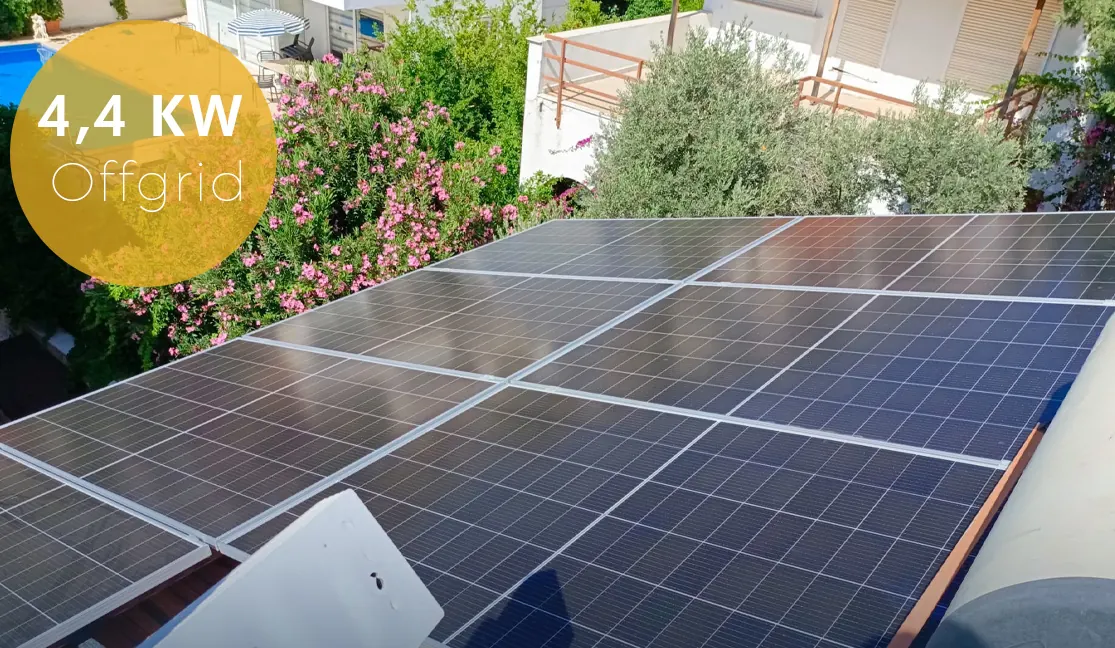
Our reference list reflects the B2B focus of the business. On the industrial side it includes on-grid rooftops of 450 kW, 860 kW, 970 kW, 1.3 MW and 4.5 MW, and ground-mounted plants of 680 kW and 2.4 MW. Alongside these, we have delivered hybrid battery systems in Döşemealtı, Kemer, Konyaaltı, Kundu, Çakırlar and Manavgat, a 60 kW off-grid installation with a dedicated battery room, and a 5.5 kW solar irrigation array for a field. You can explore them on our projects page.
The breadth matters. Lessons from small off-grid and hybrid projects, such as battery sizing for autonomy and inverter behaviour during outages, feed directly into how we design storage for larger commercial sites.
Engineering and quality standards
We design to applicable IEC standards and Turkish electrical regulations, specify equipment from established Tier-1 manufacturers, and document every plant with as-built drawings, test records and string-level commissioning data. On site, our crews work to written method statements with roof access control, fall protection and daily coordination with the client's facility team. The goal is a plant that passes acceptance first time and remains easy to maintain for decades.
Where we deliver solar energy across Antalya
From our office in Kepez, Antalya, we serve the whole Mediterranean coast: Muratpaşa, Konyaaltı, Döşemealtı and Aksu in the metropolitan area; Serik, Belek, Side and Manavgat to the east; Alanya and Gazipaşa further along the coast; and Kemer, Kumluca and Kaş to the west. Proximity matters for commercial and industrial solar: it shortens survey lead times, speeds up commissioning and keeps O&M response times short.
Working with us
Most projects begin with a simple exchange: your electricity bills, a site address and a conversation about your objectives, whether that is cost reduction, energy security or decarbonisation reporting. From there we arrange a free site survey and prepare a feasibility study you can take to your board or lender.